Style Guide: Tips for Mixing and Matching Your Collection for Hassle-free Outfits
The idea of mixing and matching a wardrobe can transform everyday outfits into polished ensembles. By emphasizing key basics and cohesive color palettes, individuals can handle various occasions with simplicity. Understanding the nuances of texture and pattern blending can enhance a simple look. However, the essential element to truly mastering this skill lies in the details. What are the vital elements that can make or break an outfit?
How to Easily Mix and Match Your Wardrobe
To easily mix and match a wardrobe, one must first grasp the basic principles of versatility and unity. Flexibility involves selecting pieces that can serve multiple purposes, while cohesion ensures that these items work harmoniously together. A good sense for color schemes, designs, and textures is crucial. Neutral colors act as a backdrop, enabling bright items to stand out without clashing.
Moreover, knowing proportions and silhouettes can strengthen outfit coordination. As an illustration, pairing firm pieces with lightweight materials brings balance. Accessories carry weight as well; they can alter an outfit from laid-back to elegant.
Ultimately, embracing a personal style builds self-assurance, allowing it easier to pair and coordinate. By grasping these guidelines, individuals can develop a wardrobe that gives endless possibilities, allowing for creativity and expression while keeping a cohesive look.
Essential Wardrobe Basics for Easy Combining
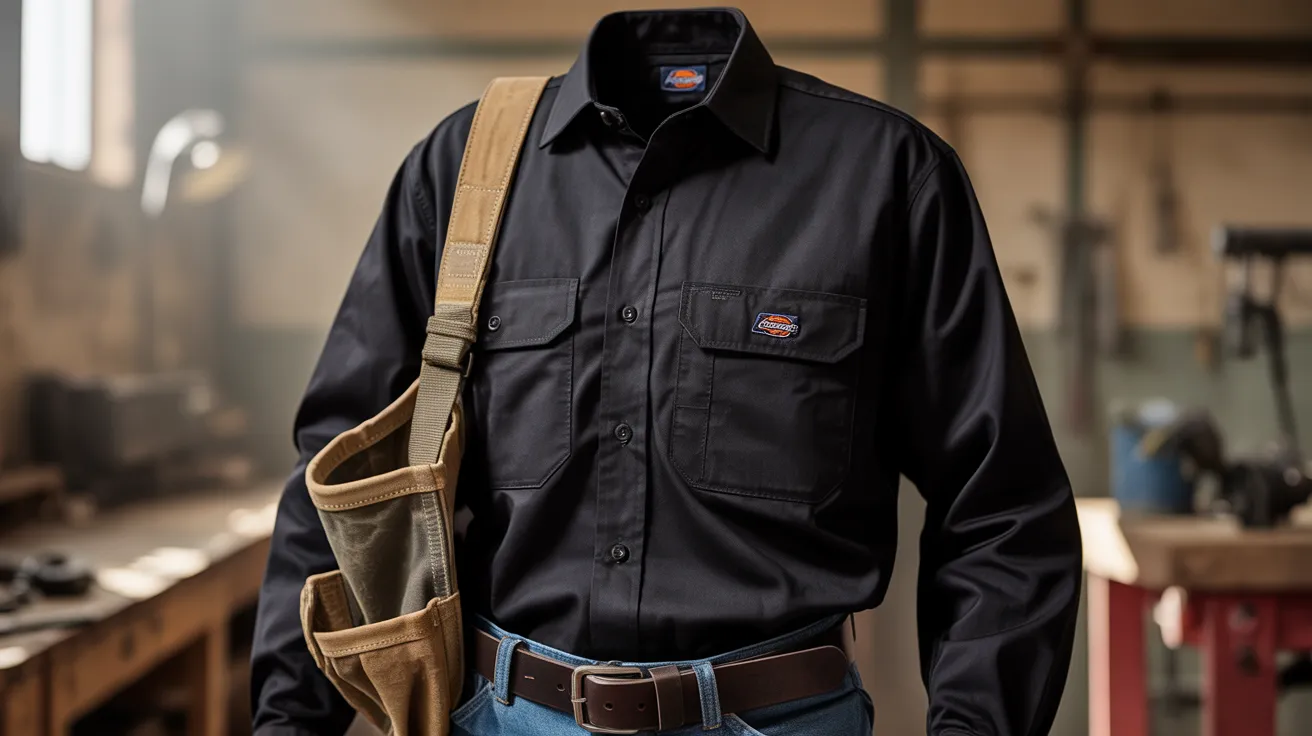
When considering essential wardrobe staples, versatile fundamental pieces serve as the base for simple blending. A carefully chosen color palette greatly improves these core pieces, allowing for easy pairings. Together, these elements establish a harmonious and versatile collection that reduces complexity in daily styling choices.
Important Dynamic Components
A carefully selected wardrobe is based on vital versatile pieces that readily adapt to numerous occasions and styles. Essential staples include a tailored blazer, which lifts casual outfits and goes with formal attire. A timeless white button-up shirt is a foundational element that blends smoothly with jeans, skirts, or trousers. Comfortable, well-fitting jeans are necessary; they can shift from day to night with ease. A little black dress offers numerous fashion possibilities, perfect for casual or formal occasions. Footwear options such as ankle boots or versatile flats offer both comfort and style, allowing for smooth shifts between different looks. Finally, a timeless handbag can pull together any ensemble, making these pieces vital for creating effortless ensembles.
Color Palette Framework
Color palettes function as a vital role in designing a unified wardrobe that facilitates effortless coordination. A carefully planned color palette typically includes a combination of base colors, accent colors, and complementary colors. Neutrals such as black, white, gray, and beige serve as the foundation of your wardrobe, ensuring flexibility and timelessness. Adding a handful of vibrant accent shades, like navy or burgundy, enhances visual interest without overwhelming the eye. Incorporating harmonious shades guarantees that clothing items can be easily matched, creating a balanced look. It is advisable to pick a limited palette that resonates personally, allowing for creative expression while simplifying outfit selection. To sum up, a strategic color palette converts a collection of clothing into a seamless wardrobe, making effortless style.
Tone Selection Strategies for Polished Outfits
Effective color matching can boost any outfit, as it helps people express their individual style while forming a well-blended appearance. To accomplish this, one should start with a grasp of the color wheel, identifying complementary colors that support each other. For instance, mixing warm tones like reds and oranges with cool shades such as blues and greens can create strong contrasts.
Muted shades, such as black, white, and beige, function as flexible foundations that can ground stronger tones. Additionally, adding varying shades of the same color—known as monochromatic styling—can enhance richness without saturating the style.
The 60-30-10 rule, where 60% of the outfit is a dominant color, 30% a secondary hue, and 10% an embellishment, can likewise deliver balanced color distribution. Ultimately, experimenting with diverse color selections will help refine one's unique style while keeping a polished appearance.
Combining Patterns and Materials for Design Interest
Integrating patterns and textures can elevate an ordinary outfit into an alluring ensemble. To accomplish a attractive look, one must consider balance and harmony. Layering bold patterns, such as geometric prints or floral patterns, with more subdued textures can produce visual interest without overwhelming the eye. For example, a printed blouse can be beautifully complemented by a textured denim jacket, adding depth to the outfit.
Blending diverse fabrics, including knits, silks, or leathers, improves the general visual appeal. When combining patterns, it is advisable to follow a matching color selection to sustain consistency. A polka dot skirt, for example, can coordinate with a striped top if both have a similar color.
Also, adjusting the scale of designs—combining large prints with smaller ones—can provide aesthetic appeal and avoid mismatches. In the end, the secret exists within experimentation, allowing individual taste to shine through while creating captivating pairings.
The Art of Layering for a Chic Appearance
Layering can improve any outfit, creating a elegant statement. The key to promising layering lies in striking proportions and textures. Start with a close-fitting base layer, such as a simple tank or turtleneck, which serves as a foundation. Next, incorporate a slightly looser mid-layer, like a button-up shirt or lightweight sweater, to add dimension without bulk.
Outer layers like tailored blazers or oversized cardigans can perfect the style while supplying thermal comfort and refinement. Select harmonious colors and prints to establish visual interest, guaranteeing that each layer enhances rather than conflicts with the others.
Accessories, like a trendy scarf or a eye-catching jacket, can further define the layered ensemble. Ultimately, the method of layering converts plain garments into a cohesive, polished outfit, giving the wearer to reveal personal style effortlessly.
Accessorizing to Refine Your Aesthetic
Accessories play a vital role in enhancing any outfit. Bold jewelry can convert a simple ensemble into a bold statement, while versatile bag options provide both functionality and style. Together, these components can lift a look from mundane to spectacular.
Statement Accessory Choices
While a deliberately selected wardrobe provides a firm foundation, the right statement jewelry can transform an outfit from unremarkable to remarkable. Bold necklaces, oversized earrings, or striking cuffs serve as main attractions, drawing focus and enhancing personal style. When selecting statement pieces, keep in mind the harmony between the jewelry and the outfit; a bold necklace pairs well with a minimalist top, while intricate earrings can enhance a sleek hairstyle. Additionally, mixing textures and materials can create depth. For those hesitant about their choices, opting for one or two standout pieces can provide a refined look without overwhelming the ensemble. Ultimately, statement jewelry not only reflects individuality but also adds a layer of elegance to any attire.
Versatile Bag Varieties
Bags can smoothly elevate any ensemble, fulfilling both functional and visual roles. A carefully selected bag not only complements a style but also improves see now utility. Flexible options such as classic totes, crossbody bags, and structured satchels are suitable to different occasions. Totes are ideal for day-to-day errands, offering plenty of space without losing fashion. Crossbody bags offer a hands-free option, perfect for informal outings or travel. Structured satchels lend a refined touch to work attire, making them suitable for business environments. Additionally, using neutral colors can guarantee that these bags smoothly integrate with various outfits. By selecting the right bag, people can effortlessly shift from day to night, displaying a carefully assembled sense of style while keeping practicality.
Exploring Your Individual Fashion Sense
As people aim to showcase their unique personalities through fashion, experimenting with varied looks becomes essential. To find one's aesthetic, it is recommended to start by assessing the current wardrobe. Recognizing basic items can reveal individual tastes and direct future acquisitions. Mixing textures and patterns can also result in unexpected yet appealing combinations, fostering innovation in clothing selections.
Another impactful tactic is to find ideas from multiple origins, such as fashion blogs, social media, or street style. Sampling different silhouettes and tones can further demonstrate what comes across as easy and true to yourself. A willingness to break free from one's usual comfort level is essential; integrating eye-catching accessories or signature pieces can transform an outfit in major ways.
Finally, documenting outfits via photography can help people monitor their changing fashion sense. This reflective practice allows a better comprehension of what resonates, ultimately resulting in a more cohesive and personalized wardrobe.
Popular Questions Asked
What's the Best Way to Discover My Own Fashion Type?
To identify one's individual fashion classification, one should reflect on preferences, explore fashion inspirations, assess wardrobe staples, and take into account daily requirements. Trying various outfits can further clarify and develop individual style expressions over time.
Where Should I Do With Items I Rarely Don?
She suggested reviewing seldom-worn clothes, deciding whether to donate, sell, or repurpose them. This undertaking could declutter her closet, enhance organization, and permit her to prioritize items that truly embody her personal style.
How frequently ought to I update My Wardrobe?
Industry professionals recommend updating a wardrobe seasonally, typically every three to six months. This ensures the collection remains fresh and aligned with current trends, personal style evolution, and changing lifestyle needs. Ongoing review cultivates a versatile, functional wardrobe.
Is It Possible to Layer Weather-Based Clothing Throughout the Year?
Yes, combining seasonal clothing year-round is possible. By mixing versatile pieces, one can design unique outfits that accommodate varying temperatures, personal style, and events, enhancing both creativity and practicality in clothing decisions.
How can I transform my wardrobe affordably using a few economical ways?
Affordable ways to refresh a wardrobe include thrifting, swapping clothes with friends, DIY alterations, and accessorizing existing pieces.Additionally, adding versatile basics can create new looks without significant spending, maximizing creativity and style.